Open in Lindon, Utah
schedule a visit →
Utah's high-elevation climate means your skin faces unique challenges, and we're here to help you protect and care for it with confidence. Our providers offer expert care across a full range of dermatology services.
Acne is a common skin condition that affects people of all ages, though it is most prevalent among teens and young adults. It occurs when hair follicles become clogged with oil and dead skin cells, leading to the appearance of pimples, blackheads, whiteheads, and sometimes cysts. Acne is often associated with hormonal changes, but it can affect anyone, anywhere on the body, from the face and chest to the back and shoulders. At Era Dermatology, we understand the emotional and physical impact acne can have on your life, and we are here to help you achieve clearer, healthier skin.
Acne is influenced by a combination of factors, including genetics, hormones, and lifestyle. The primary causes of acne include:
At Era Dermatology, we offer a comprehensive range of acne treatments tailored to your skin type, lifestyle, and severity of acne. Our providers utilize the latest medical and aesthetic treatments to provide you with lasting results. Some of our available treatments include:
Eczema, also known as atopic dermatitis, is a common skin condition that causes inflammation, dryness, redness, and intense itching. At Era Dermatology, our providers understand the challenges eczema can bring to both children and adults. Whether triggered by allergens, irritants, stress, or environmental factors, eczema can flare up unexpectedly and affect your daily life. We offer personalized treatment plans to help manage symptoms, reduce flare-ups, and restore healthy, comfortable skin.
Treating eczema starts with understanding your skin and creating a care plan tailored to your specific needs. At Era Dermatology, our providers offer a range of effective eczema treatments designed to reduce flare-ups, calm inflammation, and restore skin health. Depending on the severity and triggers of your eczema, treatments may include prescription creams, moisturizers, antihistamines, light therapy, or advanced biologic medications. We focus on relieving discomfort, preventing future outbreaks, and helping you maintain clear, healthy skin long-term.
↑ BACK TO ALL CONDITIONSHair loss is a common concern that can affect both men and women at any stage of life. It can develop gradually or suddenly and may be caused by a variety of factors, including genetics, hormonal changes, stress, medical conditions, or nutritional deficiencies. Because there are many different types of hair loss, an accurate diagnosis is essential to finding the right solution.
Some of the most common causes of hair loss include:
Understanding the underlying cause is the first step toward effective treatment.
At ERA Dermatology, we take a thoughtful, medical approach to hair loss. Your visit begins with a detailed evaluation of your scalp, hair pattern, and medical history to identify the root cause of your hair changes. Based on your diagnosis, we create a personalized treatment plan that may include prescription topical or oral medications, treatments to reduce inflammation or support hair regrowth, and guidance on lifestyle and nutritional factors affecting hair health. Our goal is not only to slow or stop hair loss, but when possible, to restore healthy growth and improve the overall health of your scalp.
↑ BACK TO ALL CONDITIONSMoles are common skin growths, but some may change over time and become a concern. That's why regular skin checks are so important. At Era Dermatology, our providers do comprehensive mole evaluations and safe, effective removal when needed. Whether it's a routine screening or you've noticed a new or changing mole, we're here to give you peace of mind.
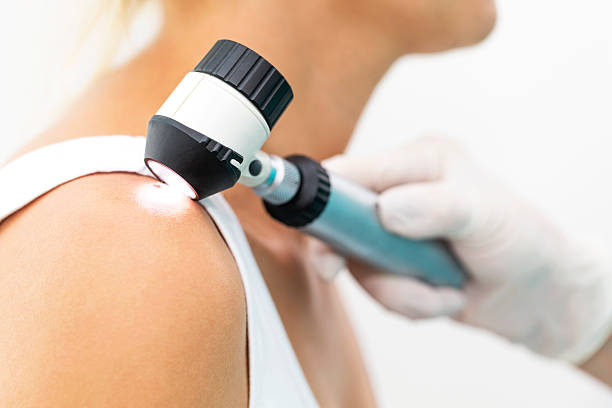
During your visit, our dermatologists will perform a thorough skin exam, using advanced tools and proven techniques to evaluate the size, shape, color, and border of moles. If we find a mole that looks suspicious or shows signs of irregularity, we may recommend a biopsy or removal to ensure your health and safety.
If a mole needs to be removed, whether for medical or cosmetic reasons, we perform the procedure in our comfortable, in-office setting. Our team uses minimally invasive techniques that minimize discomfort and support fast healing.
↑ BACK TO ALL CONDITIONSPrecancerous lesions or actinic keratosis, are abnormal areas of skin that have the potential to develop into skin cancer if left untreated. Often caused by prolonged sun exposure, these spots typically appear as rough, scaly patches, on sun-exposed areas like the face, scalp, hands, and arms. While not cancerous yet, these lesions indicate that the skin has been damaged and is at increased risk. At Era Dermatology, our providers specialize in identifying and treating precancerous lesions early, using methods such as cryotherapy and topical medications to reduce your risk and keep your skin healthy.
At Era Dermatology, we offer expert care and a variety of effective treatments for precancerous lesions to help prevent the development of skin cancer. After a thorough skin exam and diagnosis, our providers tailor treatment based on the number, size, and location of the lesions. Common therapies include cryotherapy (freezing the lesion with liquid nitrogen), topical prescription creams that target abnormal cells, and photodynamic therapy, which uses light to destroy damaged skin cells.
↑ BACK TO ALL CONDITIONSPsoriasis is a chronic autoimmune skin condition that causes the rapid buildup of skin cells, leading to thick, red, scaly patches that can be itchy and sometimes painful. It commonly affects areas like the scalp, elbows, knees, and lower back, but can appear anywhere on the body. While the exact cause is not fully understood, psoriasis is linked to an overactive immune response and can be triggered by factors such as stress, infections, or certain medications. At Era Dermatology, our providers offer personalized treatment plans to help manage symptoms, reduce flare-ups, and improve your skin's health and comfort.
Psoriasis is caused by an overactive immune system that speeds up the life cycle of skin cells, leading to the buildup of thick, scaly patches. While genetics play a significant role, environmental triggers often spark or worsen flare-ups. Common triggers include stress, infections, cold weather, certain medications, and skin injuries. At Era Dermatology, we work with patients to identify personal triggers and develop comprehensive treatment plans aimed at controlling symptoms and preventing future outbreaks for healthier, more comfortable skin.
Psoriasis treatment focuses on controlling symptoms, reducing inflammation, and slowing the rapid skin cell growth that causes flare-ups. We offer a variety of effective treatment options tailored to each patient's needs and the severity of their condition. These may include topical therapies like corticosteroids and moisturizers, phototherapy (light therapy), oral medications, and advanced biologic drugs that target the immune system. Our goal is to help you manage psoriasis comfortably, improve your skin's appearance, and enhance your overall quality of life.
↑ BACK TO ALL CONDITIONSAt Era Dermatology, we understand that skin changes can be frustrating and sometimes concerning. Rashes are one of the most common reasons patients visit us, and the good news is that most can be effectively treated.
A rash is any change in how your skin looks or feels. It may appear as redness, bumps, dryness, scaling, or irritation. Some rashes are small and stay in one area, while others can spread across the body. They may come and go quickly or last for longer periods of time.
Rashes can happen for many different reasons, and sometimes more than one factor is involved. Rashes can be a result of:
Treatment depends on what is causing the rash. Many rashes can be treated with topical or oral medications. These can help control symptoms and treat the underlying issue more effectively. Simple changes at home can also make a big difference. Using gentle, fragrance-free products, avoiding known irritants, keeping the skin moisturized, and applying cool compresses can help soothe discomfort and support healing. For more persistent or complex conditions, advanced treatments such as light therapy or specialized medications may be recommended.
↑ BACK TO ALL CONDITIONSSkin cancer is the uncontrolled growth of abnormal skin cells, often caused by prolonged exposure to ultraviolet (UV) radiation from the sun or tanning beds. It is the most common type of cancer, with several forms including basal cell carcinoma, squamous cell carcinoma, and melanoma—the most aggressive type. Early detection is vital, as many skin cancers can be effectively treated when caught in their initial stages. At Era Dermatology, our providers offer thorough skin cancer screenings, education on prevention, and treatment options to help protect your skin and your health.
Basal cell carcinoma (BCC) is the most common type of skin cancer, originating in the basal cells, which are found in the deepest layer of the skin's outer layer (the epidermis). It typically appears as a pearly or waxy bump, a flat flesh-colored or brown scar-like lesion, or a sore that doesn't heal. BCC is usually caused by long-term exposure to ultraviolet (UV) radiation from the sun or tanning beds. While it rarely spreads to other parts of the body, early diagnosis and treatment are important to prevent local tissue damage.
Squamous cell carcinoma (SCC) is a common form of skin cancer that arises from the squamous cells in the outer layer of the skin. It often appears as a firm, red nodule or a flat lesion with a scaly, crusted surface, typically developing on sun-exposed areas such as the face, ears, and hands. SCC can grow more quickly than basal cell carcinoma and has the potential to spread if not treated promptly. At Era Dermatology, we specialize in early detection and offer advanced treatment options to effectively remove squamous cell carcinoma and protect your skin health.
Melanoma, the most lethal form of skin cancer, can have a devastating impact on your life. Melanoma accounts for only 4% of all skin cancers, but is by far responsible for the most skin cancer deaths. Melanoma is also the most malignant of all skin cancers. Melanoma forms first in the skin cells that make melanin, which gives skin its color. Melanin also protects the deeper layers of the skin from the sun's harmful ultraviolet (UV) rays. If the skin receives too much ultraviolet light, the melanocytes may begin to grow abnormally and become cancerous, which is melanoma
Recognizing the warning signs of skin cancer is crucial for early detection and successful treatment. We encourage patients to watch for new or changing spots on the skin, including asymmetrical moles, irregular borders, multiple colors, or growths that itch, bleed, or do not heal. Other signs may include sores that persist, rough or scaly patches, and raised bumps that continue to grow. Regular skin checks and prompt evaluation of any suspicious changes can help catch skin cancer early, when it is most treatable. Our expert team is here to provide thorough screenings and guidance to keep your skin healthy and protected.
Skin cancer treatments vary depending on the type, size, and location of the cancer, as well as the patient's overall health. At Era Dermatology, we create a treatment plan tailored to each individual. Plans include surgical methods like excision and Mohs micrographic surgery for precise removal, as well as non-surgical options such as topical medications, cryotherapy, and photodynamic therapy. Our providers focus on choosing the safest and most effective approach to completely remove cancerous cells while preserving healthy tissue, helping you achieve the best possible outcome and long-term skin health.
↑ BACK TO ALL CONDITIONSRegular skin checks are one of the most important steps you can take to protect your health. In Utah's high-elevation climate, UV exposure is stronger, increasing the risk of skin cancer and sun damage. The good news is that when skin cancer is detected early, it is highly treatable.
If you notice a new or changing mole, a spot that doesn't heal, or anything unusual on your skin, it's important to have it evaluated. Skin checks are recommended, for those with a history of sun exposure, fair skin, actinic keratosis, and personal or family history of skin cancer.
During your skin check at Era Dermatology, we perform a thorough, head-to-toe examination of your skin. We look for moles, spots, or changes that may need closer evaluation and may use specialized tools for a more detailed view. If appropriate, treatment such as cryotherapy for precancerous lesions or a biopsy of suspicious areas may be performed during the same visit. If anything requires further follow-up, we'll explain the next steps.
↑ BACK TO ALL CONDITIONSAt Era Dermatology, we often see patients who are concerned about warts. While they are very common and generally harmless, warts can be bothersome, spread easily, and sometimes become persistent without treatment.
Warts are small, rough growths on the skin caused by a virus. They can appear on many areas of the body, most commonly on the hands, feet, and around the nails. Some warts are raised and have a rough surface, while others may be flatter or grow inward, like plantar warts on the bottom of the feet. Warts are usually not painful, however some that are on the hands or feet can cause discomfort.
Warts are caused by the human papillomavirus, also known as HPV. This virus enters the skin through tiny cuts or breaks and causes the skin cells to grow more quickly than normal. Warts can spread through direct contact with the wart itself or by touching surfaces that have the virus on them, such as floors in locker rooms or shared personal items. They are more likely to develop when the skin is damp or damaged, and some people are simply more prone to getting them than others. Children and young adults tend to get warts more often, but they can occur at any age.
Warts may go away on their own over time, but many persist and can spread if not treated. Treatment often begins with topical medications that help break down the wart tissue and stimulate the body's immune response. These treatments may be available over the counter or prescribed at a higher strength. In-office procedures are often the most effective way to remove warts. These may include freezing the wart with liquid nitrogen, gently removing it, or using targeted therapies to destroy the affected tissue. For stubborn or recurring warts, additional treatments may be recommended to help the immune system clear the virus more effectively.
↑ BACK TO ALL CONDITIONSAt Era Dermatology, we treat more than just common skin concerns—we're here to help with a wide range of medical skin conditions that affect your comfort, confidence, and quality of life. From acne, rosacea, and psoriasis to rashes, infections, and chronic skin disorders, our board-certified dermatology team provides expert diagnosis and personalized treatment plans tailored to your needs. Whether you're dealing with a long-standing condition or something new, we're committed to helping you achieve healthier, clearer skin with compassionate, comprehensive care.
Cutaneous T-cell lymphoma (CTCL) is a rare type of cancer that begins in the T-cells of the skin, leading to patches, plaques, or tumors that can resemble eczema or psoriasis. Diagnosis can be challenging and often requires specialized skin biopsies. At Era Dermatology, we work closely with oncology specialists to provide accurate diagnoses and personalized treatment plans that may include topical therapies, phototherapy, or systemic medications.
Impetigo is a highly contagious bacterial skin infection most commonly seen in children. It causes red sores or blisters that can rupture and form honey-colored crusts, usually around the nose and mouth. Prompt treatment with antibiotic ointments or oral medications helps clear the infection quickly and prevents spread to others.
Lichen planus is an inflammatory condition that affects the skin, hair, nails, and mucous membranes, causing purplish, itchy, flat-topped bumps. Though the exact cause is unknown, it may be related to an immune system response. Our dermatologists at Era Dermatology offer diagnosis and treatment options such as corticosteroids and other medications to reduce inflammation and relieve symptoms.
Morphea is a rare autoimmune condition characterized by patches of hardened, thickened skin due to excess collagen buildup. It usually affects localized areas and can cause cosmetic concerns or discomfort. Era Dermatology provides expert evaluation and management, including topical or systemic therapies, to control symptoms and improve skin appearance.
Onychomycosis is a fungal infection of the nails that causes thickening, discoloration, and brittleness. It can affect both fingernails and toenails, often making nails appear unsightly and sometimes painful. At Era Dermatology, we offer treatment options, including oral antifungal medications to eliminate infection and restore healthy nails.
Rosacea is a chronic skin condition characterized by facial redness, visible blood vessels, and sometimes acne-like bumps. It often affects the cheeks, nose, and forehead, and can cause discomfort or self-consciousness. At Era Dermatology, we offer personalized treatment plans that may include topical and oral medications, laser therapy, and lifestyle advice to manage symptoms and improve skin appearance.
Scabies is a contagious skin infestation caused by tiny mites that burrow into the skin, leading to intense itching and a pimple-like rash. It spreads easily through close physical contact. Era Dermatology provides prompt diagnosis and effective treatment with prescription creams or oral medications to eliminate the mites and relieve symptoms.
Seborrheic dermatitis is a common skin condition that causes flaky, white to yellowish scales and red, itchy skin, often affecting the scalp, face, and chest. It is related to an overgrowth of yeast on the skin and can flare up with stress or weather changes. Our dermatologists offer treatments including medicated shampoos, topical antifungals, and steroids to control symptoms and soothe the skin.
Tinea versicolor is a fungal infection that causes small, discolored patches of skin, usually on the trunk and shoulders. These patches may be lighter or darker than surrounding skin and can become more noticeable after sun exposure. Era Dermatology offers antifungal treatments to clear the infection and restore even skin tone.
Urticaria, or hives, are raised, itchy welts that appear on the skin as a reaction to allergens, infections, or stress. They can vary in size and shape and may come and go quickly. Our dermatologists at Era Dermatology work to identify triggers and provide treatments such as antihistamines or corticosteroids to reduce symptoms and improve comfort.
Vitiligo is a condition where the skin loses its pigment cells, resulting in white patches of skin that can appear anywhere on the body. Though the exact cause is unknown, it is believed to be an autoimmune disorder. At Era Dermatology, we offer diagnosis and treatment options to help manage vitiligo and support patients' confidence.